
Part 1: The Stability Series: Food, Mood & Rhythms for Real Life
In this series, we explore the connection between stress, blood sugar, emotional regulation, and the rhythms that create steadiness in everyday life. This is not about dieting. It is about building internal and external stability — one meal at a time.
Understanding Cravings, Cortisol, and the Biology Behind Emotional Eating
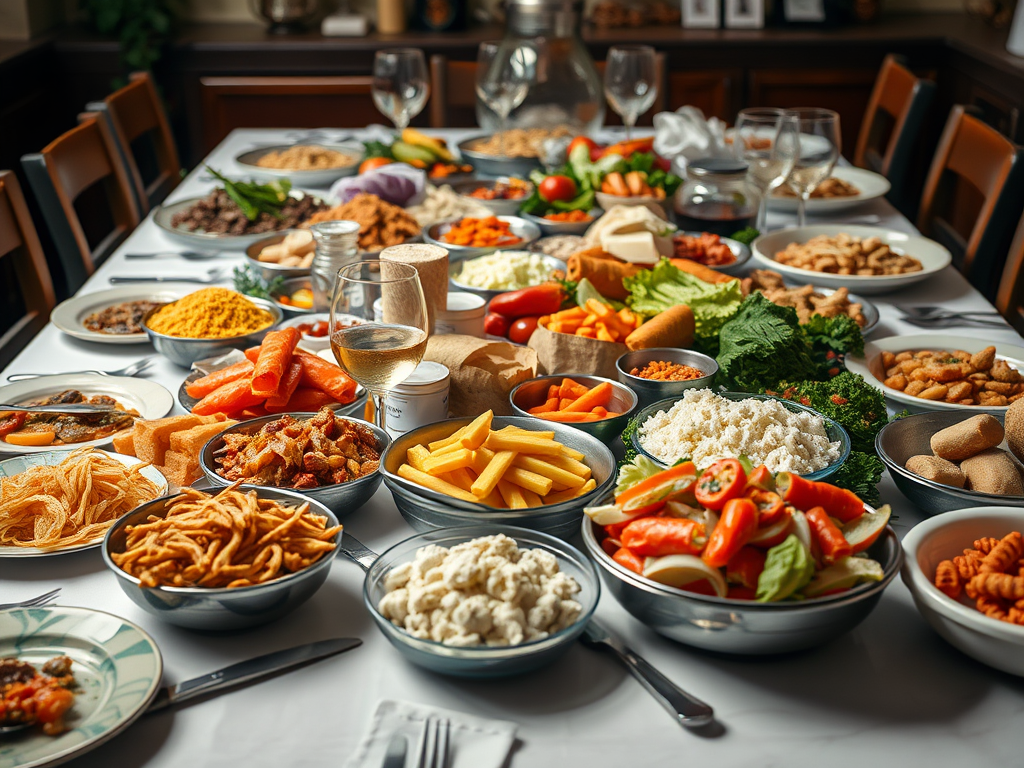
Have you ever noticed how different your food choices look on a calm Sunday compared to a high-pressure Wednesday?
On calm days, you might cook.
You might include vegetables.
You might eat slowly.
On stressful days?
You skip breakfast.
You grab whatever is closest.
You crave sugar at 4pm.
You eat quickly and barely taste it.
And then you wonder:
“What is wrong with me?”
The answer is: nothing.
Stress changes the way you eat — biologically, not just emotionally.
And once you understand that, everything shifts.
Your Body Is Designed to Respond to Stress
Stress is not just a feeling.
It is a physiological state.
When your brain perceives pressure — whether it’s a work deadline, financial worry, relationship conflict, or mental overload — it activates your stress response.
The primary hormone released during this process is cortisol.
Cortisol’s job is simple:
Keep you alert. Keep you energized. Keep you prepared.
In short bursts, this is helpful.
But when stress becomes chronic — as it often does in modern life — your body stays in a low-grade survival mode.
And survival mode changes appetite.
Why You Crave Sugar When You’re Overwhelmed
Under stress, your body believes it may need quick energy.
Historically, stress meant physical danger. Running. Fighting. Escaping.
So your brain signals:
“Get fuel. Quickly.”
That fuel is usually fast-digesting carbohydrates — sugar, refined snacks, highly processed foods.
These foods:
- Raise blood sugar quickly
- Provide immediate energy
- Temporarily increase feel-good chemicals like dopamine
For a moment, you feel better.
But that relief is short-lived.
Blood sugar spikes.
Insulin rises.
Blood sugar drops.
Fatigue and irritability follow.
Then the craving cycle repeats.
This is not lack of willpower.
It is stress chemistry.
Why Stress Can Also Suppress Appetite
Interestingly, not everyone eats more under stress.
Some women eat less.
High stress can blunt hunger signals during the day. You might skip meals without realizing it.
But here is the pattern that often follows:
Minimal eating during the day → intense hunger at night → overeating in the evening.
This is not “lack of discipline.”
It is a stressed body finally demanding energy.
When you undereat while stressed, cortisol remains elevated.
When you finally sit down and your body relaxes, hunger floods in.
Your nervous system was holding everything together. Now it releases.
And food becomes the outlet.
Decision Fatigue Is Real
Stress doesn’t just change hormones.
It changes decision-making.
When you are overwhelmed, your brain shifts toward efficiency. It wants the quickest solution with the least cognitive effort.
Cooking vegetables feels like effort.
Chopping feels like effort.
Planning feels like effort.
Grabbing something fast feels manageable.
Under pressure, your brain prioritizes relief over long-term thinking.
That is not weakness. It is wiring.
The problem is not that you lack discipline.
The problem is that you are trying to eat intentionally in a dysregulated state.
Stress Narrows Your Awareness
When calm, you can pause.
You can ask:
“Am I actually hungry?”
“What would nourish me?”
When stressed, awareness narrows.
You eat standing up.
You eat while scrolling.
You eat quickly.
You barely register fullness.
Stress pulls you out of your body.
And when you are disconnected from your body, you cannot respond to its signals clearly.
The Hidden Link Between Stability and Food
This is why structure matters.
Not restriction. Structure.
When meals are predictable:
- Your body trusts that food is coming.
- Blood sugar stabilizes.
- Cortisol doesn’t spike as dramatically.
- Cravings reduce in intensity.
Eating consistently — even when you’re busy — can reduce stress-driven eating later.
It sounds simple.
But simple is powerful.
Try this:
Eat within 60–90 minutes of waking.
Do not go longer than 4 hours without food.
Include protein and fiber at each meal.
This is not dieting.
It is nervous system support.
Emotional Eating Is Often Stress Eating
Many women label themselves as “emotional eaters.”
But often, what we are really describing is stress eating.
And stress is not a personality flaw.
It is a state.
If you are:
- Juggling work and family
- Managing financial transitions
- Preparing your body for health goals
- Carrying emotional weight
Your nervous system is working hard.
Of course your food choices shift.
The solution is not shame.
It is regulation.
Building a Foundation of Calm Through Food
You do not need extreme rules.
You need rhythm.
Start here:
- Do not skip meals.
- Include protein with every meal.
- Build meals around whole foods when possible.
- Eat seated.
- Pause for one deep breath before eating.
These small acts send safety signals to your body.
Safety reduces urgency.
And when urgency reduces, impulsive eating reduces naturally.

Before the Craving
Next time you reach for something quickly, pause — not to judge yourself — but to observe.
Ask gently:
Am I hungry?
Or am I overwhelmed?
If you are hungry, eat.
If you are overwhelmed, you may still eat — but also consider what else your body might need:
Rest.
Water.
A walk.
Silence.
Five minutes without stimulation.
Sometimes the craving softens when stress softens.
There is nothing wrong with you.
Your body is responding exactly as it was designed to.
But once you understand how stress shapes your food choices, you gain power.
Not the power to control yourself harshly.
The power to support yourself intelligently.
And that is where better eating truly begins.
This Is Part 1 of The Stability Series
In the next article, we’ll explore how blood sugar directly affects mood, focus, and emotional steadiness — and why simple food structure can reduce anxiety and energy crashes.
Because stability is not built through extremes.
It is built through rhythm.

Discover more from The Farming Cook
Subscribe to get the latest posts sent to your email.

