
Part 2 of the The Stability Series: Food, Mood & Rhythms for Real Life
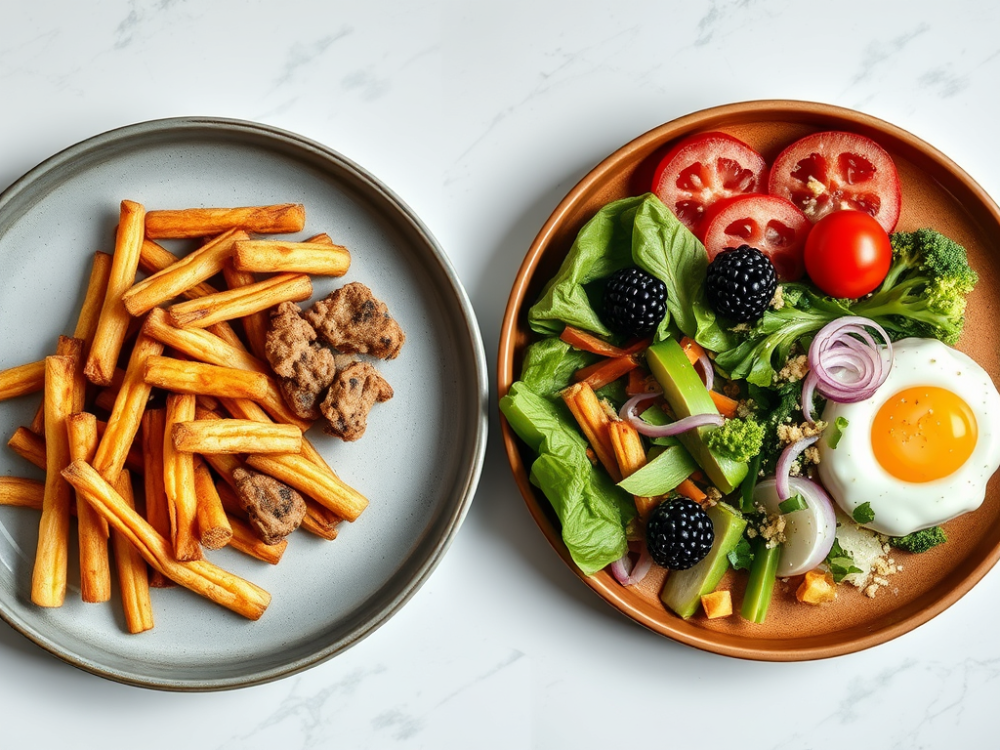
Why Energy Crashes, Irritability, and Anxiety Are Often Physiological
If you’ve ever said, “I don’t know why I’m so irritable today,” or “I feel anxious for no clear reason,” there’s a strong chance your blood sugar is involved.
Mood is often treated as something purely emotional or psychological. But the body tells a more layered story.
How you eat — when you eat, and what you eat — directly affects how stable you feel emotionally throughout the day.
Not because food “fixes” feelings. But because physiology shapes perception.

Blood Sugar Is Not Just About Energy
Most people think blood sugar only matters for diabetes or weight.
In reality, blood sugar stability affects:
- Mood
- Focus
- Patience
- Anxiety levels
- Emotional resilience
When blood sugar rises and falls rapidly, your nervous system experiences it as stress.
And stress — even subtle stress — changes how you feel and respond.

What Happens When Blood Sugar Spikes
When you eat foods high in refined carbohydrates or sugar — especially on an empty stomach — glucose enters the bloodstream quickly.
Your body responds by releasing insulin to lower blood sugar.
If that rise is sharp, the drop is often sharp too.
That drop can feel like:
- Sudden fatigue
- Irritability
- Brain fog
- Anxiety
- Cravings for more sugar or caffeine
Many women describe this as: “I was fine… and then I wasn’t.” That’s not emotional instability. That’s a physiological crash.
Why Blood Sugar Drops Feel Emotional
When blood sugar drops too low or too quickly, the body releases stress hormones to compensate.
Adrenaline and cortisol step in to raise blood sugar again. These hormones are stimulating.
They can feel like:
- Restlessness
- Racing thoughts
- Emotional sensitivity
- A short temper
- Feeling overwhelmed by small things
The body is not panicking because life is unsafe. It’s panicking because fuel is unstable.
Low Blood Sugar Mimics Anxiety
This is one of the most misunderstood connections. Low or unstable blood sugar can produce symptoms that closely resemble anxiety:
- Shakiness
- Sweating
- Heart racing
- Difficulty concentrating
- A sense of urgency
If you’ve ever felt anxious and immediately felt better after eating — that’s information. Not weakness. It doesn’t mean anxiety is “all in your head.” It means your body was asking for support.
Why Skipping Meals Makes Mood Worse
Many women unintentionally skip meals — especially breakfast or lunch. Not to restrict.
But because they’re busy. However, long gaps between meals place the body under metabolic stress.
Cortisol rises to keep blood sugar stable. Over time, this leads to:
- Increased cravings
- Mood volatility
- Evening overeating
- Difficulty calming down at night
A stressed body does not regulate emotions efficiently. Consistency matters more than perfection.
The Role of Fiber, Protein, and Fat
Blood sugar stability is not about eliminating carbohydrates. It’s about how they’re eaten.
Fiber slows digestion.
Protein stabilizes energy.
Fat prolongs satiety.
When these are present, glucose enters the bloodstream gradually.
That steadiness:
- Reduces cravings
- Improves focus
- Softens emotional reactivity
- Supports nervous system regulation
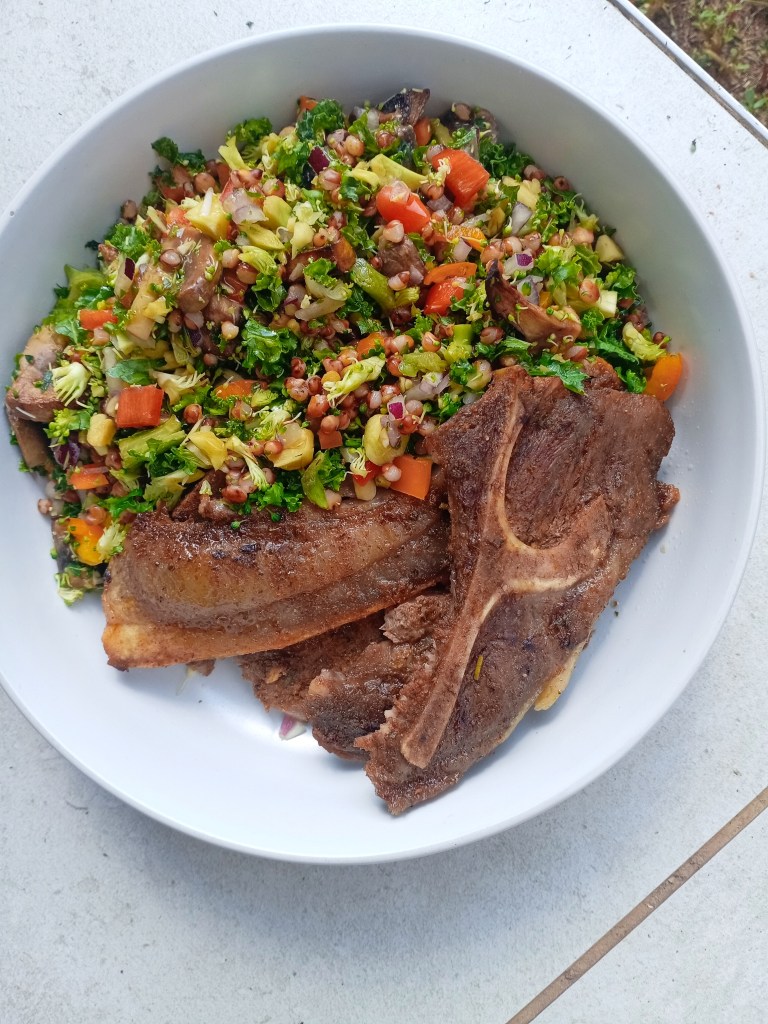
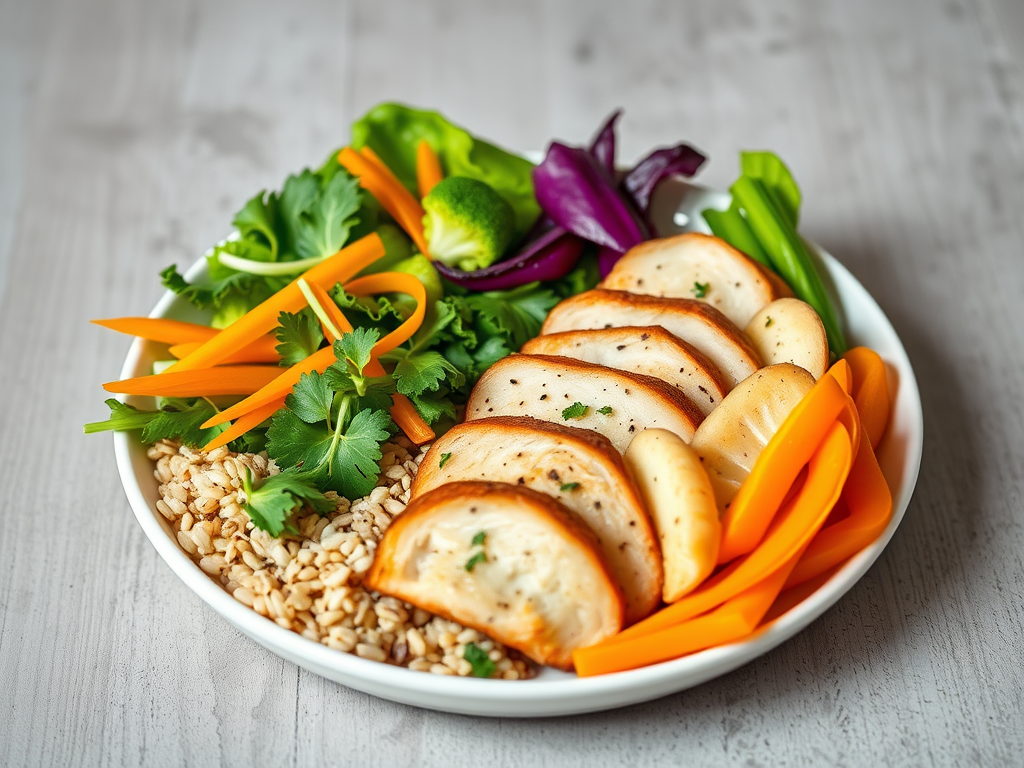
A balanced plate supports emotional balance.
Low GI Eating Is Not a Diet — It’s a Tool
Low glycemic eating is often misunderstood as restrictive. In reality, it’s supportive.
It helps:
- Prevent sharp blood sugar spikes
- Reduce crashes
- Improve mood consistency
- Sustain energy throughout the day
This isn’t about eating “perfectly.” It’s about eating predictably. Predictability creates safety.
Emotional Regulation Becomes Easier When Fuel Is Steady
This is an important distinction: Food does not regulate emotions for you. But it creates the conditions where regulation is possible.
When blood sugar is stable:
- You pause more easily
- You react less sharply
- You recover faster
- You feel more grounded in your body
This is why food structure can feel life-changing — not because it solves everything, but because it removes unnecessary strain.

What Stability Looks Like in Practice
Stability doesn’t require complicated rules.
It looks like:
- Eating within a reasonable time after waking
- Not going long stretches without food
- Including protein at every meal
- Pairing carbohydrates with fiber and fat
- Eating enough
Undereating is not emotional discipline. It’s metabolic stress.
Mood Swings Are Often Messages
Instead of asking, “What’s wrong with me?”
Try asking, “What does my body need right now?” Sometimes the answer is rest.
Sometimes it’s boundaries. And sometimes — very practically — it’s food.
Not as a coping mechanism. As nourishment.
A Gentle Check-In
The next time your mood shifts suddenly, pause and ask:
- When did I last eat?
- Was that meal balanced?
- Have I had consistent fuel today?
This is not self-blame. It’s self-awareness. And awareness is where stability begins.

Where This Leads
In Part 1, we explored how stress changes food choices.
Here in Part 2, we’ve looked at how food — specifically blood sugar — influences mood and emotional resilience.
In Part 3, we’ll bring it all together:
how rhythm, predictability, and nervous system safety quietly change the way you eat — and live.
Because stability is not built through extremes. It’s built through rhythm.
- The Link Between Blood Sugar and Mood
- Why Stress Changes Your Food Choices
- Eat the Leaves: A Low-GI Way to Build Satiety, Variety, and Better Eating
- When to Use Each of Our Vinaigrettes: Italian vs Balsamic vs Yoghurt
- Sorghum for Everyday Eating: African Heritage Grain for Modern Wellness

Discover more from The Farming Cook
Subscribe to get the latest posts sent to your email.

