
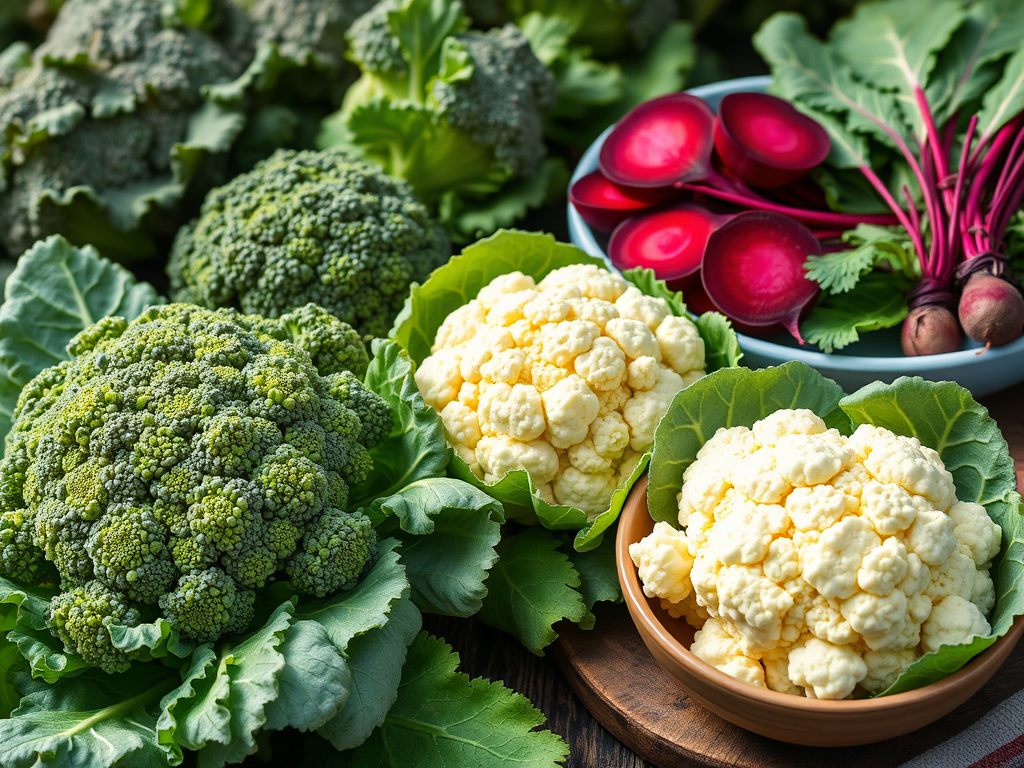
“What began as curiosity in the garden became an important part of how I eat today.”
When we think of vegetables, we often focus on the obvious parts — the broccoli head, the cauliflower, the beetroot.
But as someone managing insulin resistance, I’ve learned that the most overlooked part of the plant is often the most supportive: the leaves.
A lesson that started in the garden
I first ate broccoli and cauliflower leaves in 2018, while growing the plants for their heads in Morwatshetlha, Mafikeng.
It began as curiosity more than intention, but I quickly noticed how my body responded — I felt fuller, steadier, and more nourished.
Little did I know that years later, these same leaves would become an important and intentional part of my dietary life, especially as I learned to eat in a way that supports insulin resistance and a low-GI lifestyle.
Looking back, it makes sense.
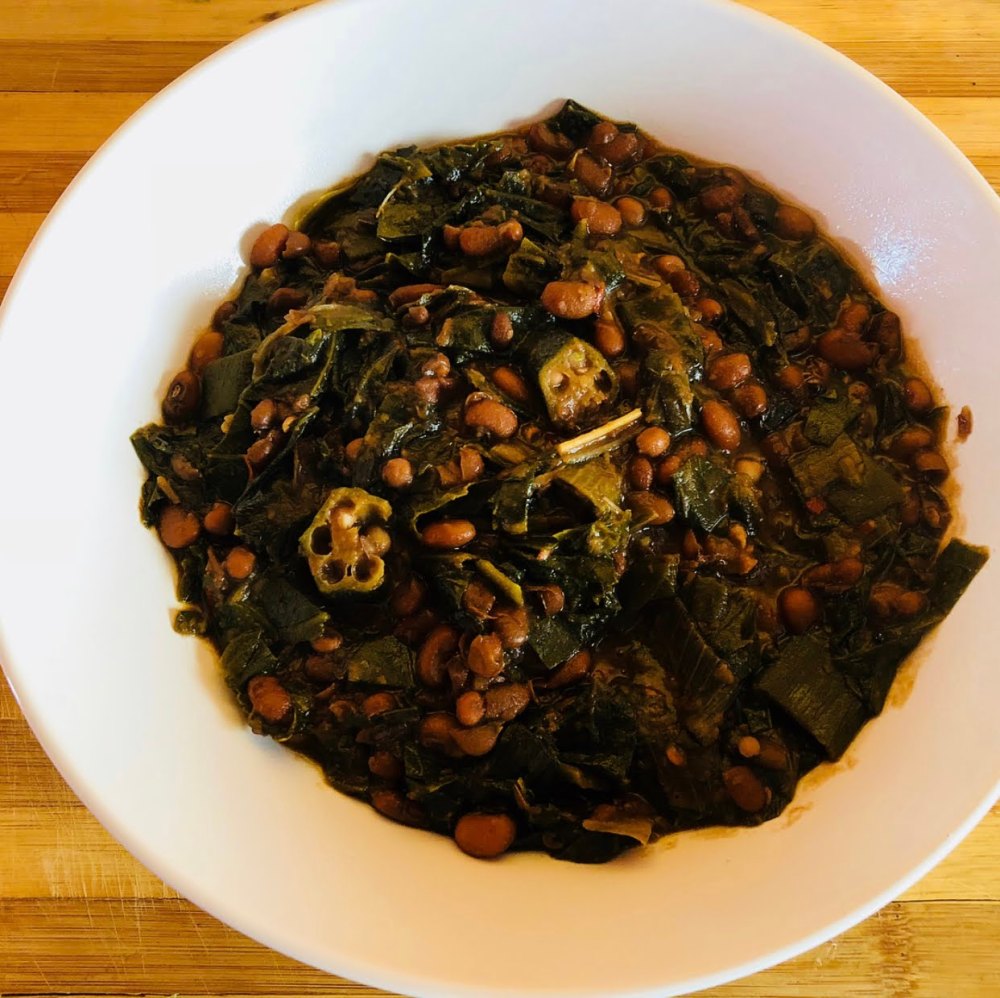
Why fiber and low-GI eating go together
Low-GI eating isn’t only about choosing the right carbohydrates — it’s about how the plate is built.
Fibre plays a key role because it:
- Slows digestion
- Supports steadier blood sugar response
- Improves satiety and fullness
Leafy greens are naturally low-GI, low in digestible carbohydrates, and rich in fibre. This makes them especially valuable for anyone managing insulin resistance.
Instead of meals that spike energy and leave you hungry soon after, fiber-rich leaves help food digest more slowly and steadily.
The part of the plant we’ve been taught to ignore
Many of us were taught to eat the floret or the root — and discard the leaves.
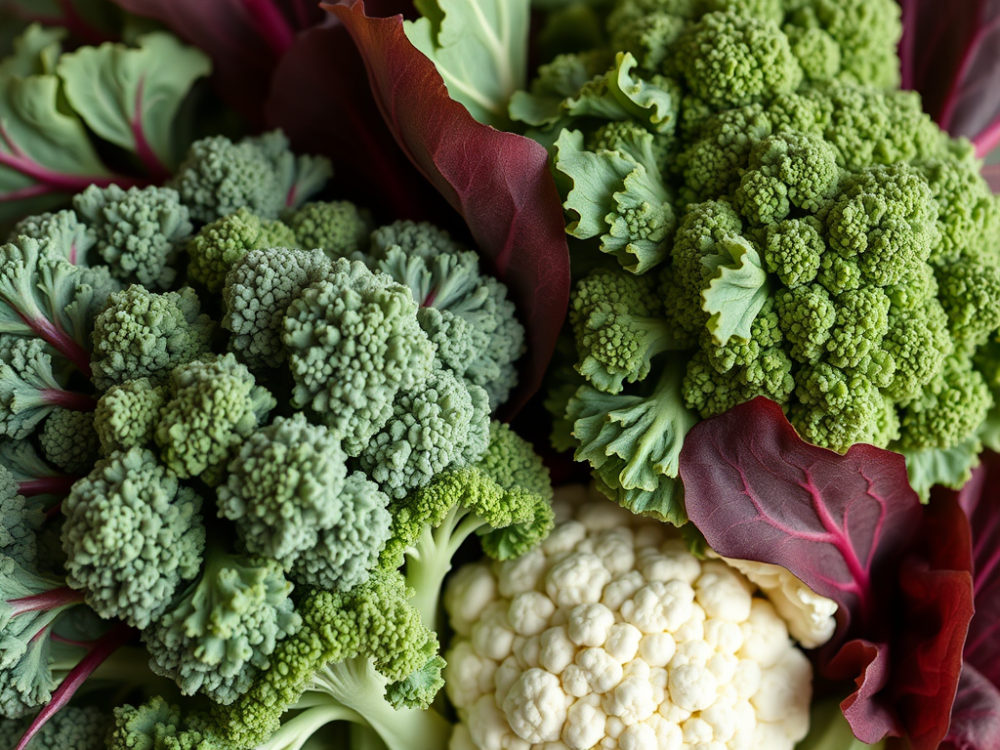
But broccoli leaves, cauliflower leaves and beetroot greens are all edible, nourishing, and deeply supportive of a low-GI way of eating. They are not waste. They are food.
When you grow your own vegetables, even on a small scale, this becomes very clear:
- One plant offers multiple edible parts
- Leaves provide weeks of nourishment
- Variety increases without increasing carb intake
A single beetroot plant can give you leafy greens long before the root is ready — supporting balance and satiety without relying on starch.
Growing food expands the plate
This is one reason I encourage people to plant vegetables.
Growing food doesn’t only change what you eat — it changes how you see food.
Instead of buying more ingredients, you begin to:
- Use more of the plant
- Eat with the seasons
- Build meals around vegetables first
For low-GI eating, this shift is powerful. When leafy greens form the foundation of the plate, managing blood sugar becomes simpler and more intuitive.
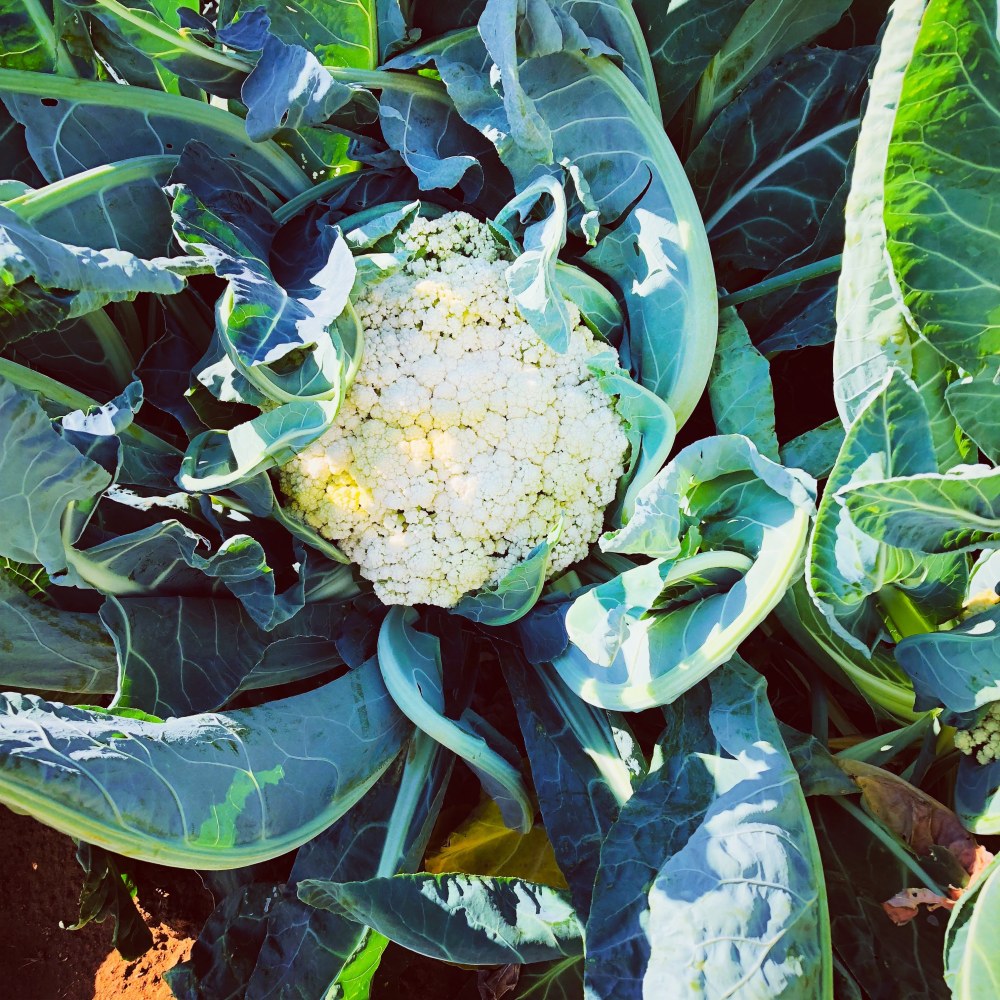
How I build a low-GI plate
I no longer start with carbohydrates and add vegetables on the side.
I start with:
- Leafy greens (broccoli leaves, beetroot greens, cabbage, spinach)
- Then add protein
- Then starch only if needed
This way of eating supports fullness, steadier energy, and better balance — without restriction or extremes.
One plant, many low-GI meals
Better eating doesn’t always mean eating less.
Often, it means eating more of the plant.
When we honour the leaves, we naturally:
- Increase fibre intake
- Improve satiety
- Reduce carb overload
- Support insulin sensitivity
Sometimes the most effective changes aren’t new trends — they’re quiet returns to what we once overlooked.
Closing reflection
Better eating isn’t about cutting things out.
It’s about building meals that work with your body — starting with the leaves.

Discover more from The Farming Cook
Subscribe to get the latest posts sent to your email.

