

The Farming Cook’s Cauliflower Rice & Mung Bean Salad (Low GI, Fiber Rich)
If you’ve ever felt overwhelmed by diets, calorie counting, restriction, or food rules — you’re not alone.
Many of us want to feel better in our bodies, eat foods that support our energy, and maintain a healthy weight without feeling like food becomes the enemy.
That’s exactly where Low GI eating comes in.
Low GI isn’t a fad.
It’s not the newest diet trend.
It’s not about punishment, restriction, or perfection.
Low GI eating is simply a smarter way to fuel your body so that:
✔ You stay full longer
✔ Your blood sugar stays stable
✔ Your cravings reduce naturally
✔ You feel calmer, energized, and balanced
✔ Food becomes supportive — not stressful
So, what does Low GI actually mean?
GI stands for Glycemic Index.
It measures how quickly a food turns into glucose (sugar) in your bloodstream.
- High GI foods cause a quick spike → then a crash → then hunger → then cravings.
- Low GI foods release energy slowly, steadily, and calmly.
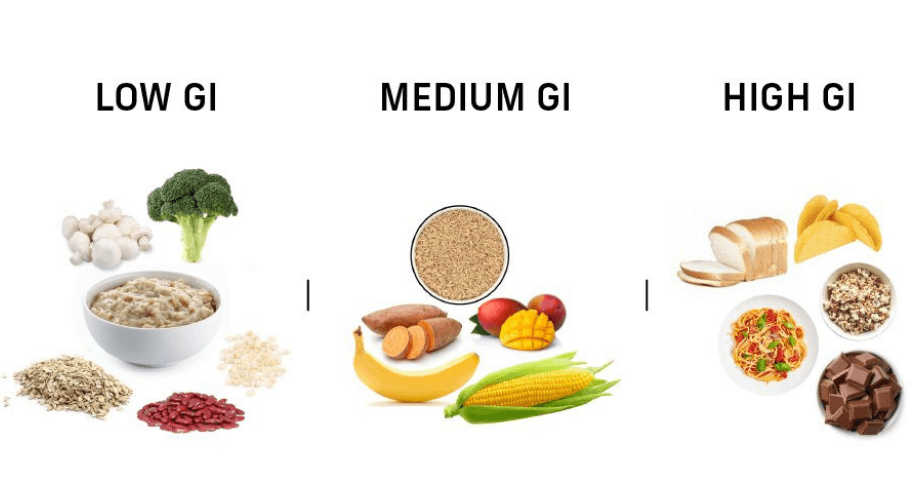
Think of the difference between:
A doughnut — energy spike + crash vs A boiled egg + slice of rye — slow release, long-lasting energy.
Low GI eating keeps blood sugar balanced — and when your blood sugar is steady, your:
- Mood
- Hormones
- Willpower
- Digestion
- Weight
- Sleep
all respond positively.
Why Low GI Works For Real Life
This way of eating doesn’t cancel food.
It guides your choices.
You still enjoy:
Bread — just wholegrain or rye
Pasta — just portion-aware and balanced
Chocolate — just slower + in mindfulness
Fruit — paired with protein or fat
Instead of removing foods
Low GI focuses on
✔ choosing better versions
✔ pairing food smartly
✔ eating for balance, not restriction
It’s a lifestyle — not a diet.
What Does a Low GI Plate Look Like?
A simple rule: Vegetables first. Protein second. Starch last.
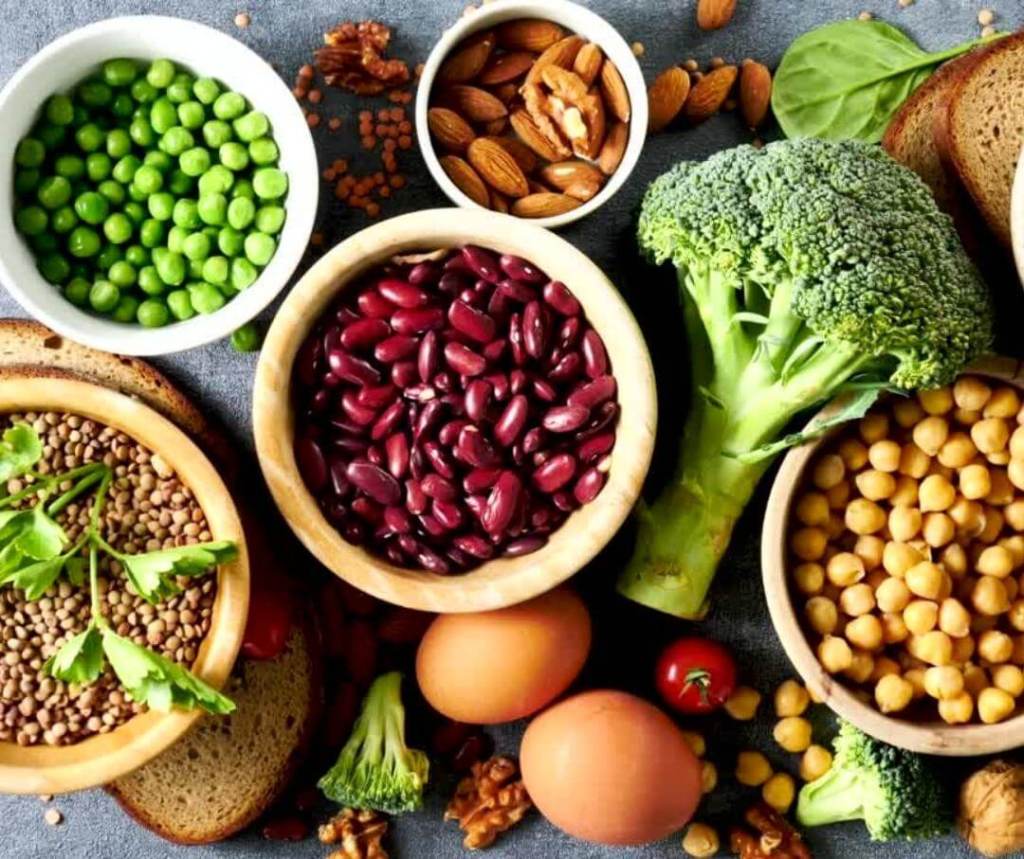
Low GI Foods
Vegetables first. Protein second. Starch last.
Think of your plate in this ratio:
- 50% colorful vegetables
- 25–30% lean protein
- 20–25% fiber-rich carbs or whole grains
- A drizzle of healthy fat (olive oil, avocado, nuts, seeds)
That’s it.
No counting.
No guilt.
No overwhelm.
Just balance.
My Personal Turning Point
There was a moment — maybe you’ve had it too — where I realised:
Food shouldn’t make me feel tired, guilty, or out of control.
I wanted meals that supported my hormones, energy, clarity, and health.
I didn’t want food to be complicated — I wanted it to be nourishing.
When I shifted to Low GI eating, everything softened:
Less craving
More intentional eating
Better meal satisfaction
More energy
Better relationship with food
Not perfect — just better. And that’s enough.
Final Thoughts: Low GI Is a Lifestyle of Ease
Healthy eating doesn’t have to be strict or stressful.
Low GI eating gives you:
-flexibility
-freedom
-satisfaction
-sustainability
It’s a gentle reset — one that supports your body the way it deserves.
Save this post to Pinterest for later.
Want to Go Further?
Start with one of my most-loved Low GI recipes:
Brown Lentil, Mushroom and Broccoli Salad (Download recipe card available)
✔ New recipes
✔ Low GI shopping guides
✔ Meal planning help
✔ Better Eating Foodversations
Good Farming, Good Flavor.
— Ona M | The Farming Cook


Discover more from The Farming Cook
Subscribe to get the latest posts sent to your email.


